YouTube leads our ranking with a score of 9.8/10.

- ✓ 800M+ videos — the world's largest video library
- ✓ AI-powered search understands natural language queries
- ✓ Chapters, timestamps, and transcript search within videos
- ✓ Advanced filters: upload date, duration, HD, subtitles
- ✓ Recommendations engine unmatched in accuracy
- ✓ YouTube Shorts for quick sub-3-minute content

- ✓ Aggregates YouTube, Vimeo, Dailymotion in one search
- ✓ AI Video Overviews highlight key moments
- ✓ Filter by source platform, length, quality
- ✓ Tightly integrated with Google Search results
- ✓ Trending and news video prioritization
- ✓ Auto-generated timestamps in results

- ✓ 260M+ high-quality creative and professional videos
- ✓ Privacy controls — hide from Vimeo search
- ✓ Password-protected and domain-restricted sharing
- ✓ No ads on videos (creator-controlled)
- ✓ Best video player quality and controls
- ✓ Used by filmmakers, agencies, and creative professionals

- ✓ 300M+ videos with less aggressive content moderation
- ✓ Video partner program with revenue sharing
- ✓ Embeddable player for publishers
- ✓ Live streaming with no follower minimum
- ✓ French-owned — EU privacy standards by default
- ✓ Channel subscriptions with notification feeds

- ✓ Over 80M videos — fastest-growing alternative platform
- ✓ Less restrictive content moderation policies
- ✓ Creator-friendly monetization from Day 1
- ✓ Live streaming with no minimum requirements
- ✓ Embeddable player used by major publishers
- ✓ Strong political and commentary content library
In-Depth Reviews
YouTube
#1 Pick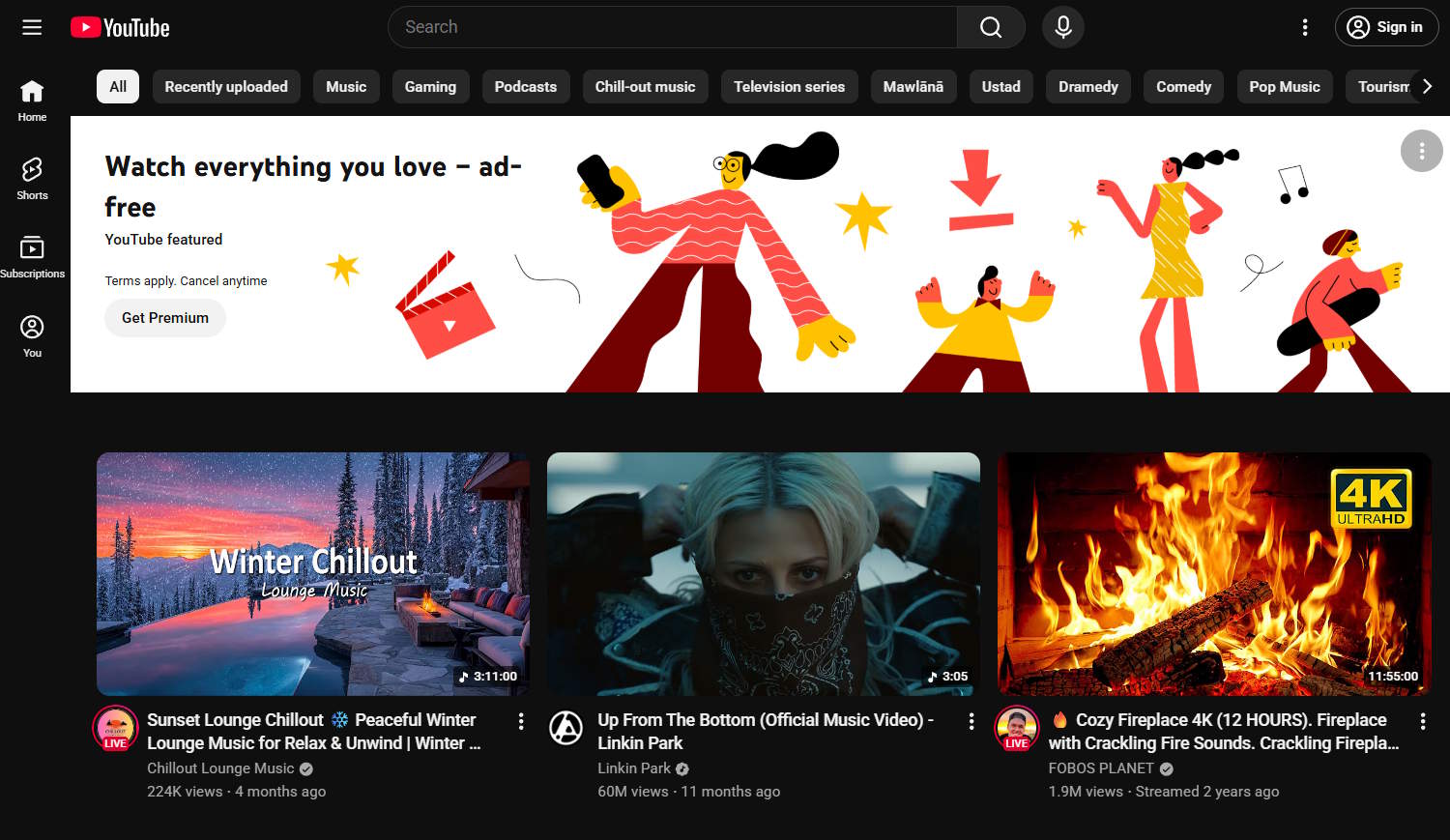
YouTube is so dominant in video search that discussing alternatives almost feels academic. With over 800 million videos indexed, an AI-powered search algorithm that understands intent rather than just keywords, and transcript-level search that lets you find the exact moment inside a 3-hour documentary where a specific phrase is spoken — it operates in a different category from every competitor.
The 2025 upgrades pushed it further. AI-generated chapters appear automatically on long videos. Summaries surface key points before you commit to watching. The recommendation engine has become so accurate it regularly surfaces relevant content users didn’t know to look for. The main critiques — aggressive monetization, restrictive content policies, and algorithm-driven rabbit holes — are real but haven’t dented its 2.7 billion monthly active user base.
Positive
- ✅ 800M+ videos — the world's largest library by a massive margin
- ✅ Transcript-level search finds exact moments inside long videos
- ✅ AI chapters and summaries reduce time-to-content
- ✅ Advanced filters: duration, HD, CC, upload date
- ✅ Shorts offers fast-format content discovery
- ✅ Personalized recommendations are best-in-class
Negatives
- ✗ Aggressive ad monetization — 5–8 ads per video on free tier
- ✗ Algorithm can create filter bubbles over time
- ✗ Content moderation policies are inconsistent
Google Video
#2
Google Video search is the most underused discovery tool in the category. Rather than being a standalone platform, it aggregates video results from YouTube, Vimeo, Dailymotion, news sites, and hundreds of other sources in one unified search. AI Video Overviews highlight key moments and auto-generate timestamps. For users who want a broad view of what video content exists on a topic — across all platforms — Google Video is the fastest starting point.
The integration with Google’s Knowledge Graph adds context: search for a film and see its trailer, cast videos, and reviews; search for an event and see live and recorded footage. For news and current events specifically, Google Video’s cross-platform aggregation consistently surfaces more relevant content than searching any single platform.
Positive
- ✅ Aggregates YouTube, Vimeo, Dailymotion, and news video
- ✅ AI Video Overviews and auto-generated timestamps
- ✅ Knowledge Graph integration adds rich context
- ✅ Best for cross-platform video discovery on any topic
- ✅ Real-time news and trending video prioritization
- ✅ Filter by source, length, and upload date
Negatives
- ✗ Redirects to YouTube for most results — not a standalone library
- ✗ Less useful once you know what platform has the content
- ✗ No subscription or recommendation persistence
Vimeo Search
#3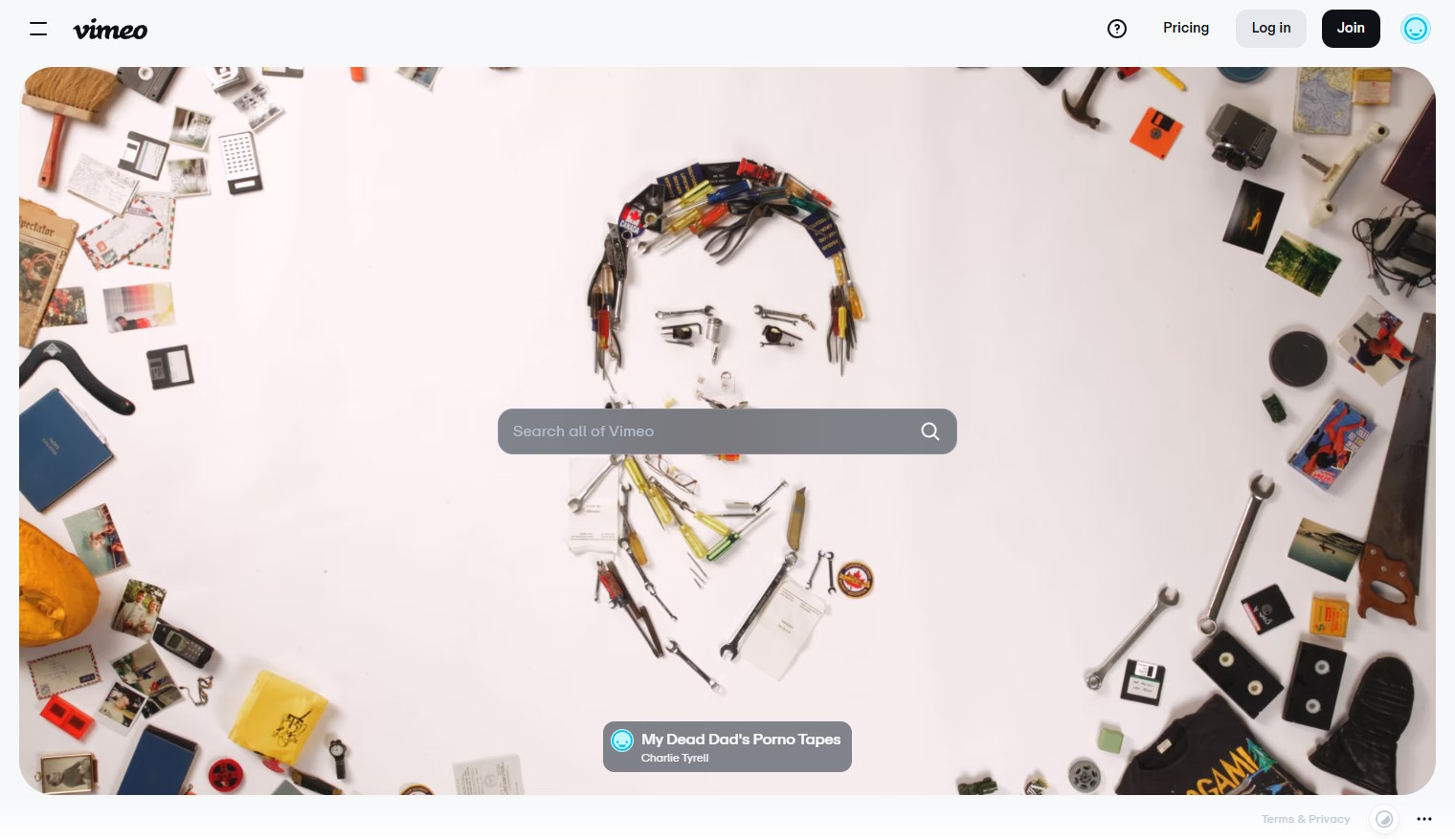
Vimeo isn’t trying to be YouTube — it’s the professional creative’s video home. With 260 million+ high-quality videos from filmmakers, agencies, and creative studios, Vimeo Search surfaces content you simply won’t find on YouTube. Privacy controls are unmatched: creators can hide videos from Vimeo’s search entirely, password-protect content, or restrict viewing to specific domains.
The absence of pre-roll ads creates a completely different viewing experience — cleaner, more focused, and respectful of the viewer’s time. For designers, marketers, and creatives searching for high-production-value reference videos, showreels, or case studies, Vimeo is the only real option. The search quality for professional and creative content categories significantly outperforms YouTube.
Positive
- ✅ 260M+ high-quality professional and creative videos
- ✅ No ads on videos — clean, uninterrupted viewing
- ✅ Best privacy controls for video creators
- ✅ Password protection and domain-restricted sharing
- ✅ Best video player quality and interface
- ✅ Preferred platform for filmmakers and agencies
Negatives
- ✗ Much smaller library than YouTube
- ✗ Less useful for general or casual content
- ✗ Advanced hosting features require paid plan
Dailymotion
#4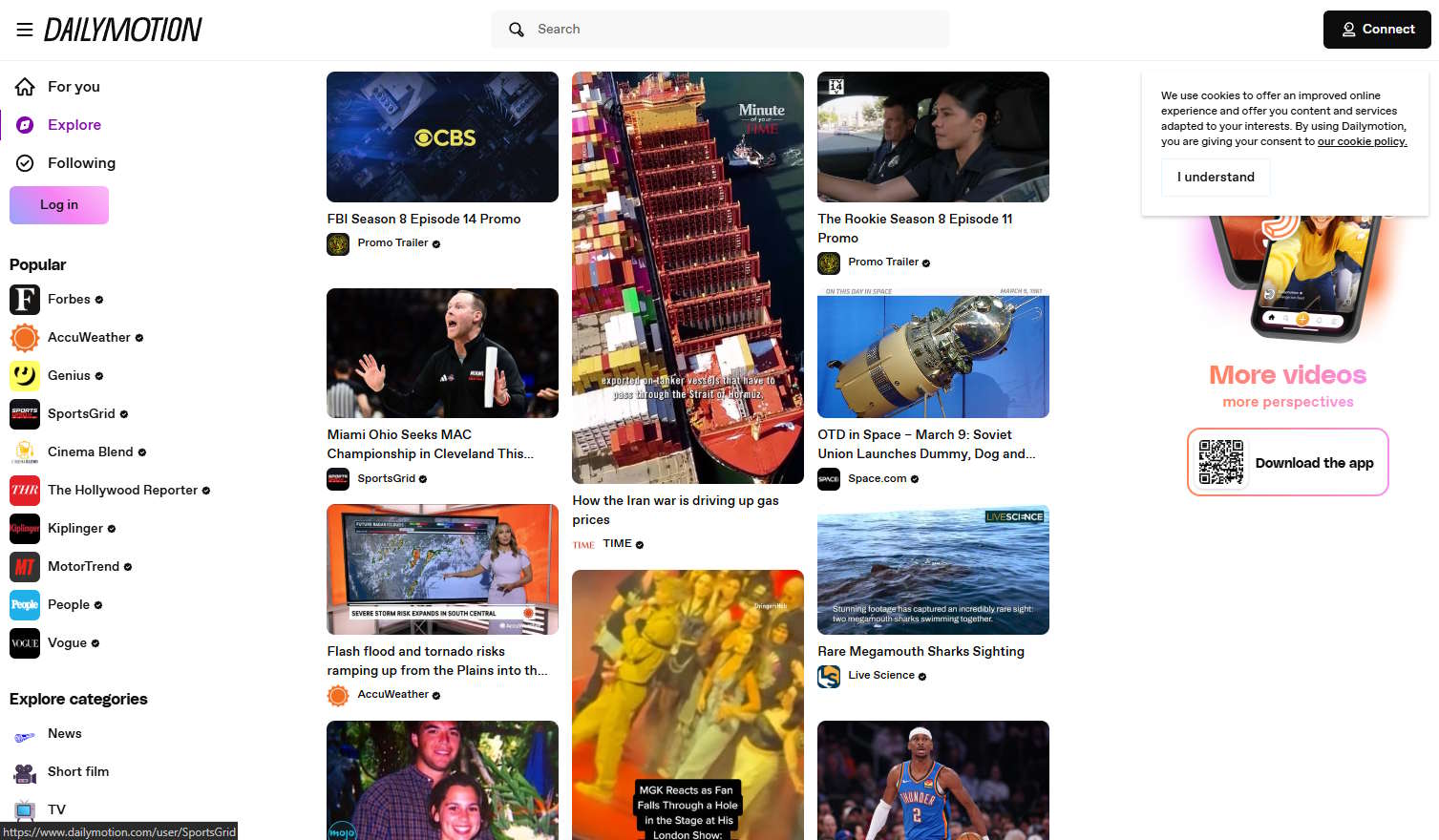
Dailymotion is the most globally accessible YouTube alternative, with 300 million+ videos and significantly less aggressive content moderation. Being French-owned means EU privacy standards apply by default, which matters to European users. The revenue-sharing partner program has attracted a broad range of international creators, particularly in news, sports, and entertainment.
Search quality is serviceable but lacks YouTube’s semantic understanding — you’ll want precise keywords rather than natural language. Live streaming is open to all creators without follower minimums. For publishers and media companies, the embeddable player and content partner relationships make Dailymotion a legitimate secondary distribution channel. For casual viewers, it’s most useful for finding content that YouTube has removed or never hosted.
Positive
- ✅ 300M+ videos with more permissive content policies
- ✅ EU-owned — stronger privacy protections by default
- ✅ Revenue sharing available to partner creators
- ✅ Live streaming open to all, no minimum requirements
- ✅ Embeddable player for publishers
- ✅ Strong international content library
Negatives
- ✗ Search quality lags YouTube — needs precise keywords
- ✗ Smaller creator ecosystem than YouTube
- ✗ Lower average video quality than YouTube or Vimeo
Rumble
#5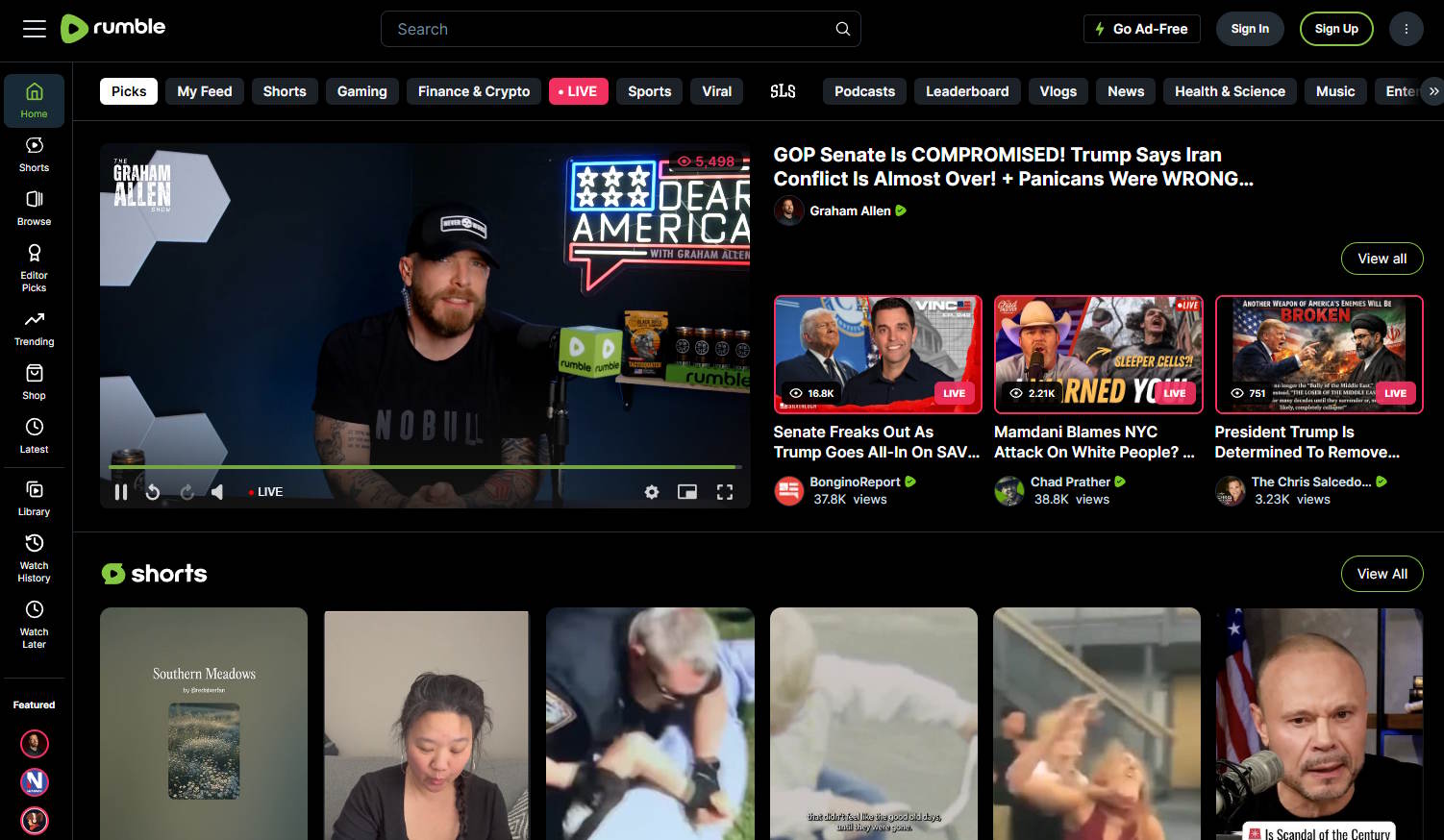
Rumble rounds out our top 5 with solid basic functionality.
Positive
- ✅ Over 80M videos — fastest-growing alternative platform
- ✅ Less restrictive content moderation policies
- ✅ Creator-friendly monetization from Day 1
Negatives
- ✗ Limited advanced features
Our Testing Methodology
We tested each platform with 60 video queries across news (breaking events), tutorials (how-to), entertainment (trailers, shows), sports, and professional/creative content. Scored on result relevance (30%), library size (25%), search features (20%), UX and ad experience (15%), and content diversity (10%). Tested both logged-in and anonymous states.