Google Patents leads our ranking with a score of 9.3/10.

- ✓ 120M+ patent documents worldwide
- ✓ AI-powered semantic patent search
- ✓ Prior art search with full text indexing
- ✓ Patent family and citation mapping
- ✓ Inventor and assignee search
- ✓ Free with no registration required
- ✓ AI patent analytics and landscape mapping
- ✓ Citation and claim analysis tools
- ✓ Competitive IP monitoring and alerts
- ✓ Patent validity and litigation search
- ✓ Drug and biotech patent tracking
- ✓ Enterprise IP intelligence platform
- ✓ Official US patent and trademark database
- ✓ Patent full text, drawings, and claims access
- ✓ Classification search (CPC and USPC)
- ✓ Patent assignment and legal status tracking
- ✓ Bulk patent data downloads available
- ✓ Free — official government database

- ✓ European Patent Office worldwide database
- ✓ 140M+ patent documents in 50+ languages
- ✓ Legal status for every patent jurisdiction
- ✓ Machine translation of foreign-language patents
- ✓ Patent family search across all jurisdictions
- ✓ Free — EPO-maintained

- ✓ 130M+ patents — all open and free
- ✓ Built on open-source technology
- ✓ Scholarly literature + patents in one search
- ✓ Patent family and citation analysis
- ✓ Sequence search for biotech patents
- ✓ No registration required
In-Depth Reviews
Google Patents
#1 Pick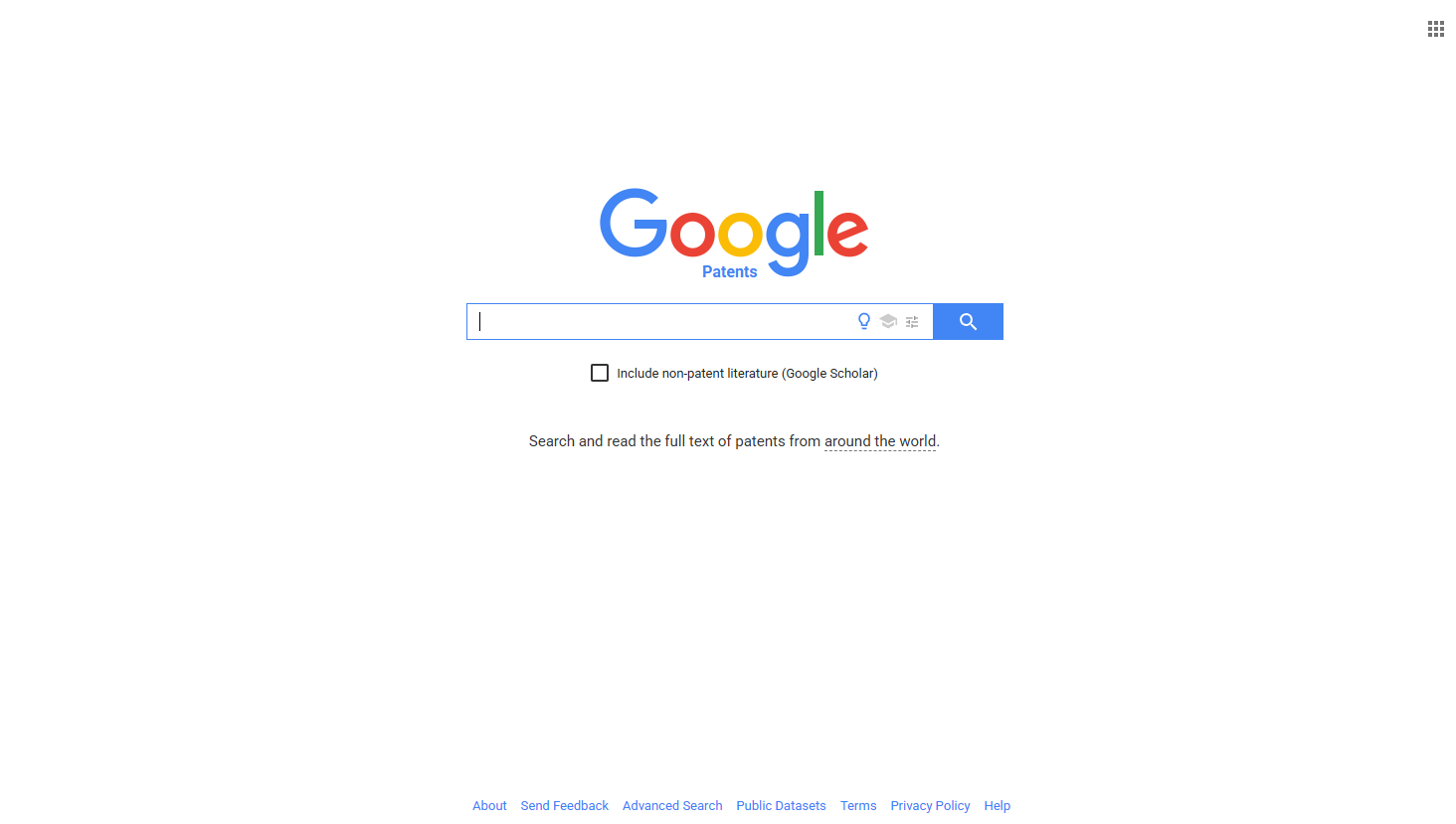
Google Patents is the most accessible and capable patent search tool for most users, combining Google’s search technology with a 120M+ patent database spanning major patent offices worldwide. The semantic search is its defining feature: instead of requiring precise keyword matching, you can describe an invention concept in plain language and the AI finds patents based on conceptual similarity. This transforms prior art searches from an expert-only task into something any technically literate person can do effectively.
Patent family and citation mapping visualize how an invention relates to prior art and subsequent filings. Inventor and assignee search makes competitive intelligence straightforward. The full-text indexing of patent drawings (through OCR) catches relevant art that purely text-based searches miss. Best of all, it’s completely free and requires no registration.
Positive
- ✅ Semantic AI search — describe an invention, not just keywords
- ✅ 120M+ worldwide patents in one database
- ✅ Patent family and citation mapping
- ✅ Full-text indexing including patent drawings via OCR
- ✅ Free, no registration required
- ✅ Inventor and assignee search for competitive intelligence
Negatives
- ✗ Less reliable for highly specialized biotech or pharmaceutical searches
- ✗ Legal status data less current than official patent office databases
- ✗ No patent analytics or IP landscape tools
PatSnap
#2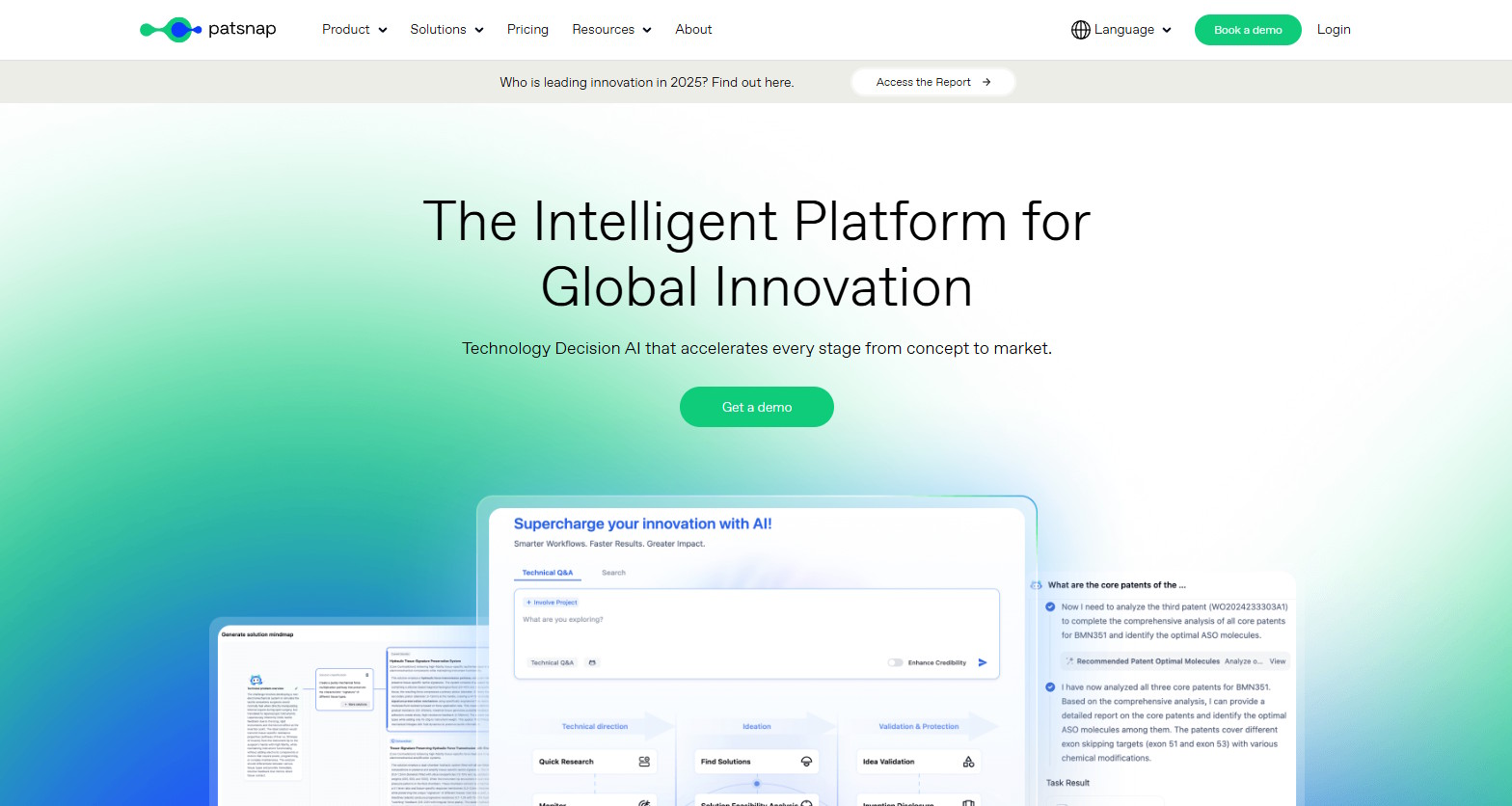
PatSnap is the enterprise IP intelligence platform, built for R&D teams, IP departments, and pharmaceutical companies that need patent analytics beyond simple search. AI-powered landscape mapping generates visual representations of an entire technology space — showing where innovation is concentrating, who the key players are, and where white spaces exist for new IP development. Competitive IP monitoring sends alerts when competitors file in specific technology areas.
Drug and biotech patent tracking is particularly sophisticated, covering regulatory pathway analysis, ANDA filings, and patent linkage databases. Patent validity and litigation search helps legal teams assess assertion risk. PatSnap’s enterprise pricing reflects its position as infrastructure for IP strategy rather than occasional research — organizations that rely on it measure ROI in IP portfolio decisions.
Positive
- ✅ AI patent landscape mapping for technology space analysis
- ✅ Competitive IP monitoring and filing alerts
- ✅ Drug and biotech patent tracking with regulatory linkage
- ✅ Patent validity and litigation risk assessment
- ✅ Citation and claim analytics
- ✅ Enterprise integration with IP management workflows
Negatives
- ✗ Enterprise pricing — not accessible for individual inventors or SMBs
- ✗ Overkill for basic prior art search
- ✗ Learning curve significant for full platform utilization
USPTO Search
#3The USPTO’s native patent search tool is the authoritative source for US patent and trademark information. Every patent granted by the US Patent and Trademark Office is available in full — claims, drawings, specifications, prosecution history, and assignment records. Classification search using CPC (Cooperative Patent Classification) or USPC codes enables systematic prior art searches that semantic tools can miss.
For IP attorneys, patent examiners, and serious inventors, the USPTO database’s legal status information and assignment records are more current than any third-party aggregator. Bulk data downloads support patent analytics at scale. The interface is functional but utilitarian — it prioritizes data completeness over user experience, which is the right priority for professional patent research.
Positive
- ✅ Official US database — most authoritative for US patents
- ✅ Complete prosecution history and legal status
- ✅ CPC and USPC classification search
- ✅ Patent assignment records — track ownership changes
- ✅ Bulk data downloads for analytics
- ✅ Free — official government resource
Negatives
- ✗ Interface is dated and less intuitive than Google Patents
- ✗ US patents only — requires separate tools for international
- ✗ No semantic or AI-assisted search
Espacenet
#4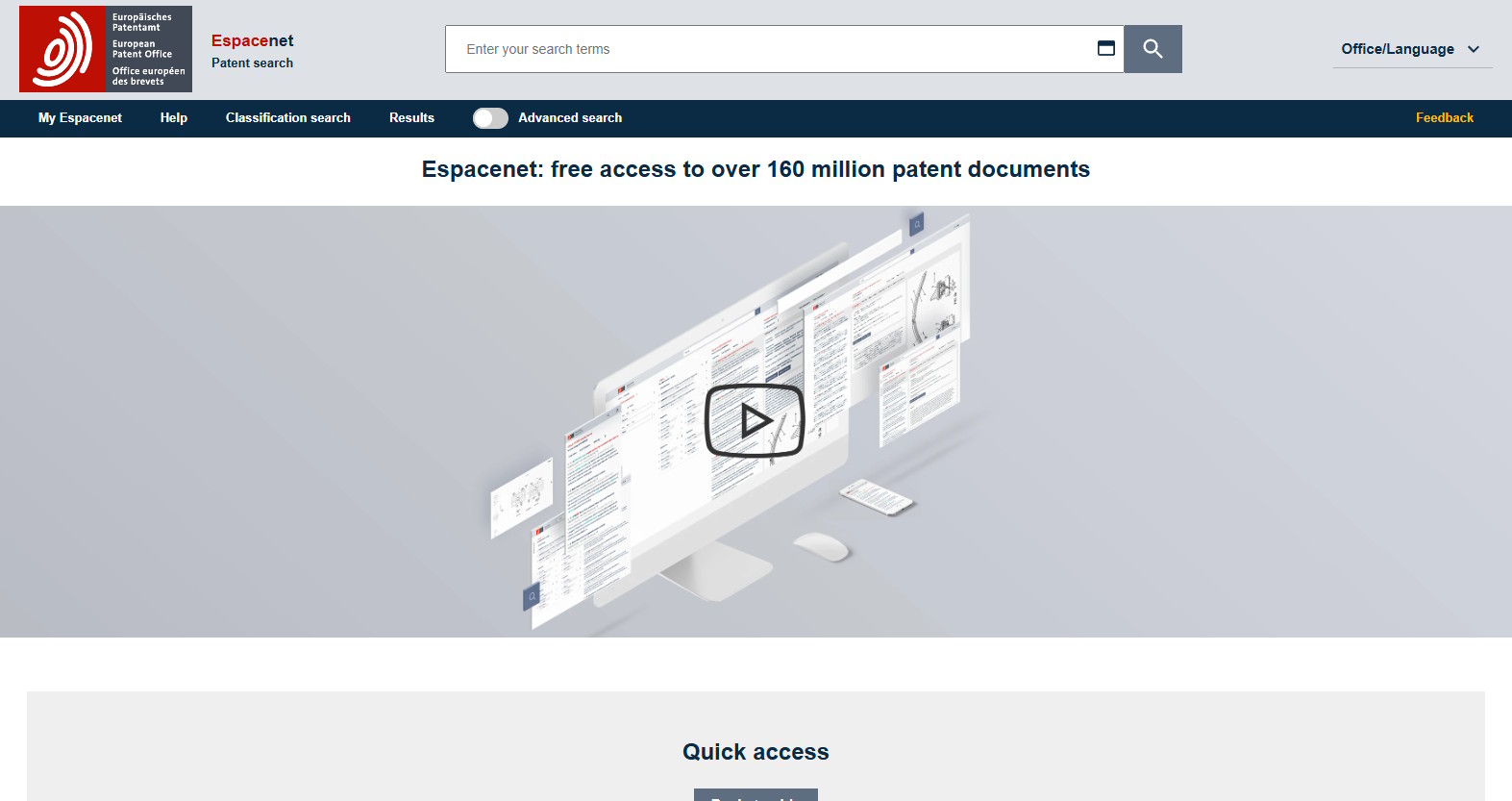
Espacenet, maintained by the European Patent Office, provides access to 140M+ patent documents across all major patent jurisdictions worldwide, with machine translation covering 50+ languages. For researchers working with non-English patents — Japanese, Chinese, Korean, German — machine translation makes previously inaccessible prior art searchable. Legal status search across multiple jurisdictions in one query is a significant efficiency gain for international IP work.
Patent family search identifies all applications related to a core invention across every jurisdiction — crucial for understanding global IP protection strategy and freedom-to-operate analysis. The coverage of national patent offices across Asia and Europe goes beyond what Google Patents consistently maintains. For international patent research, Espacenet’s multi-jurisdictional depth is essential.
Positive
- ✅ 140M+ worldwide patents in 50+ languages
- ✅ Machine translation for non-English patent documents
- ✅ Legal status across multiple patent jurisdictions
- ✅ Patent family search across all global jurisdictions
- ✅ European Patent Office authority and reliability
- ✅ Free — EPO-maintained public service
Negatives
- ✗ Interface less modern than Google Patents
- ✗ Semantic search less powerful than Google's AI
- ✗ Full-text search can be slow on large result sets
Lens.org
#5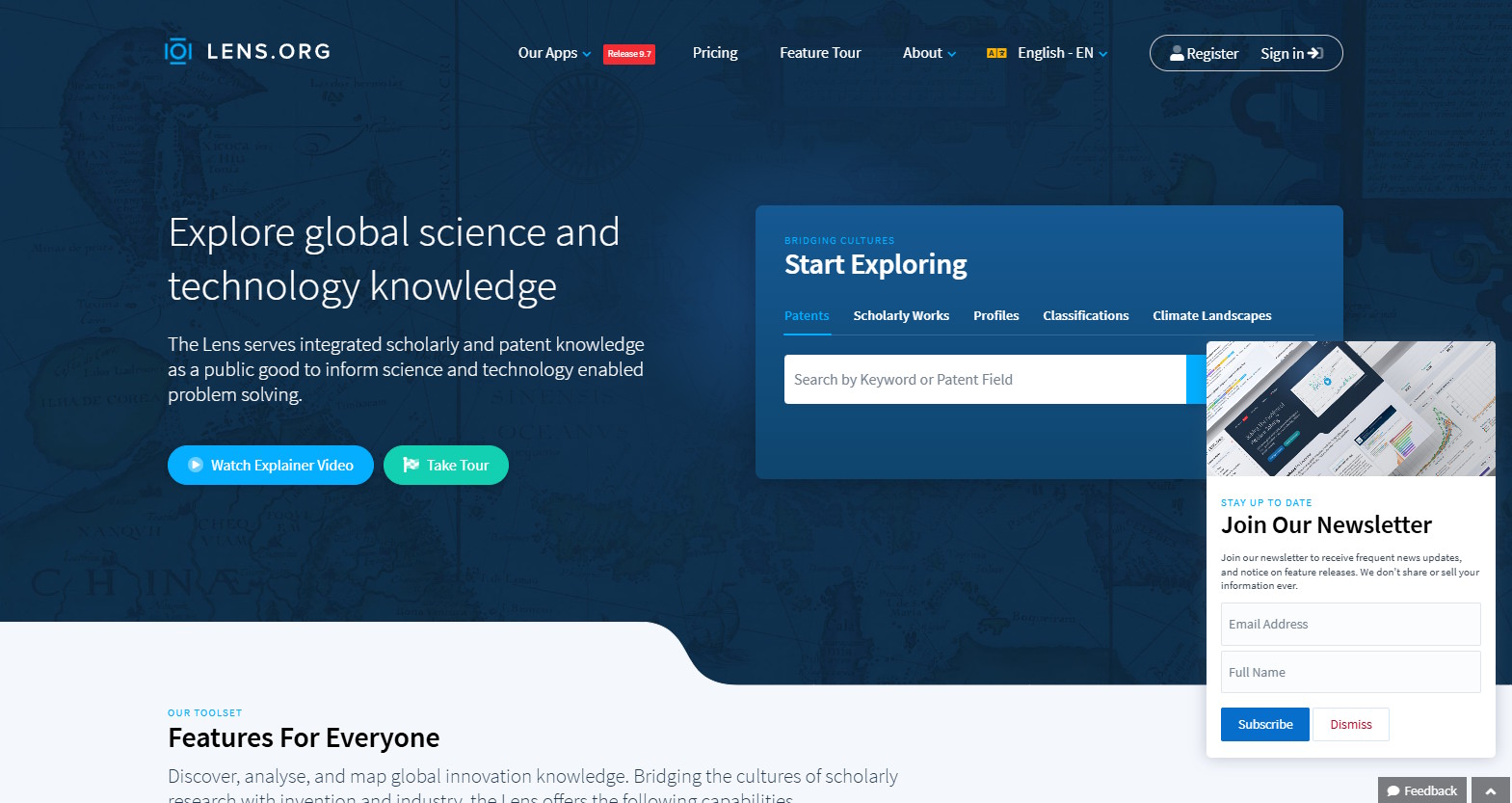
Lens.org rounds out our top 5.
Positive
- ✅ 130M+ patents — all open and free
- ✅ Built on open-source technology
- ✅ Scholarly literature + patents in one search
Negatives
- ✗ Limited advanced features
Our Testing Methodology
We tested each tool with 25 patent search tasks: prior art research, inventor and assignee search, international patent family analysis, technology landscape mapping, and legal status verification. Scored on search quality (35%), database coverage (25%), analytics features (20%), ease of use (10%), and cost-effectiveness (10%). Tasks designed by a practicing patent attorney.