Indeed leads our ranking with a score of 9.2/10.

- ✓ 250M+ unique monthly visitors — largest job board
- ✓ AI-powered job matching and recommendations
- ✓ Aggregates listings from thousands of company sites
- ✓ Resume upload and one-click apply
- ✓ Salary estimates for 750K+ job titles
- ✓ Company reviews and ratings by employees

- ✓ Professional network + job board in one
- ✓ AI job matching based on your full profile and connections
- ✓ See who at each company you're connected to
- ✓ Easy Apply for streamlined one-click applications
- ✓ Real-time job alerts and recruiter messaging
- ✓ Skills assessments to verify expertise

- ✓ Company reviews from verified employees
- ✓ Salary data with department and level breakdowns
- ✓ CEO approval ratings and culture scores
- ✓ Interview questions shared by past applicants
- ✓ Benefits and work-life balance ratings
- ✓ Job listings combined with insider intelligence

- ✓ AI matching sends your profile to active employers
- ✓ Employers reach out to you — reverses the search
- ✓ 12M+ active job listings updated daily
- ✓ SmartSalary for real-time pay benchmarking
- ✓ Mobile-first with fingerprint one-touch apply
- ✓ Trusted by 2.8M+ businesses for hiring

- ✓ Aggregates listings from 100+ job boards
- ✓ Clean, no-frills search interface
- ✓ Side-by-side salary comparisons
- ✓ Job alerts via email for saved searches
- ✓ Free resume posting with employer visibility
- ✓ Indeed-powered with broader aggregation
In-Depth Reviews
Indeed
#1 Pick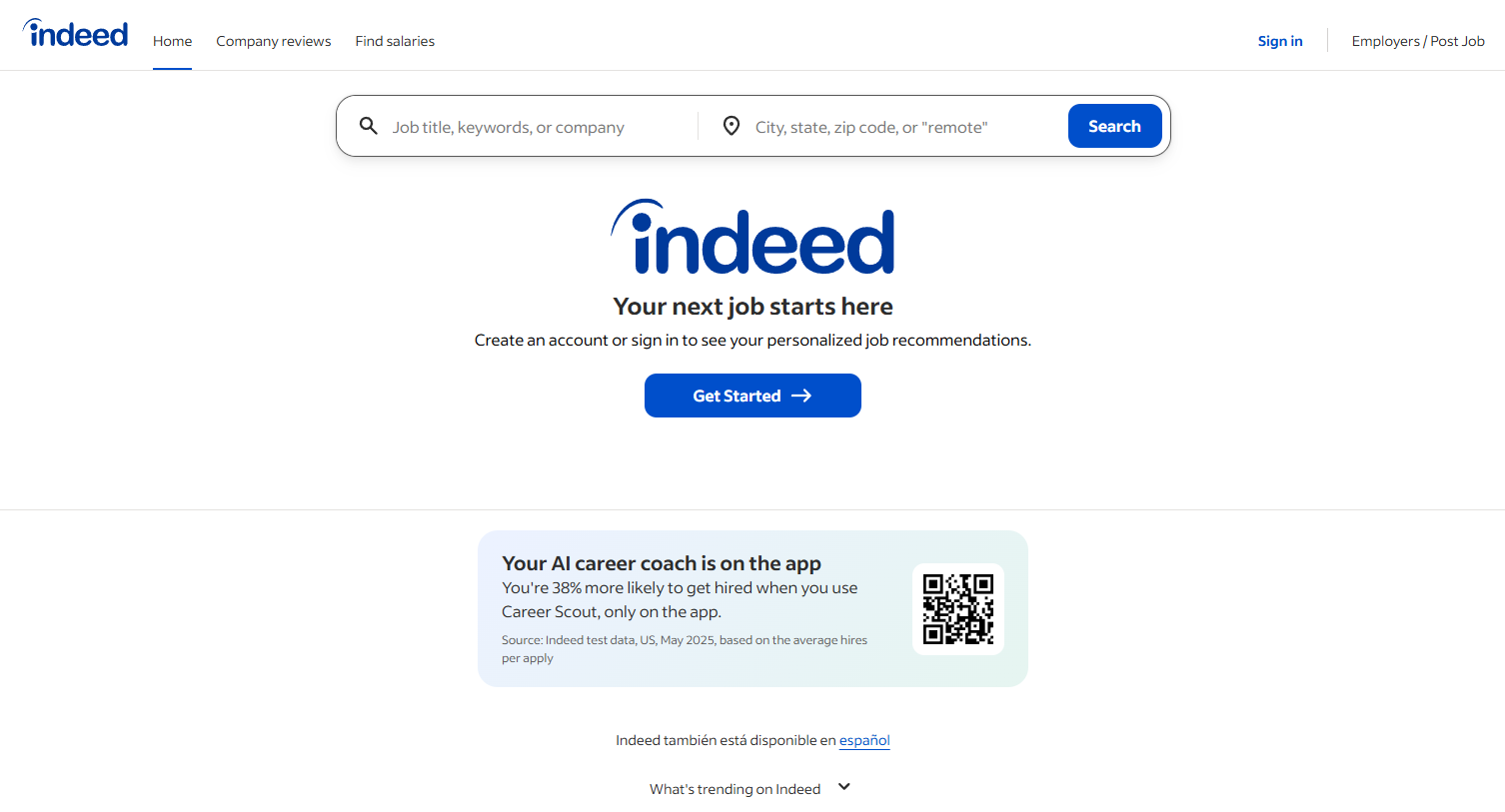
Indeed is the world’s largest job search engine by traffic, and for good reason: it aggregates listings from thousands of company career pages, staffing agencies, and job boards, then layers AI-powered matching to surface roles that fit your profile. With over 250 million monthly visitors and salary data covering 750,000+ job titles, it’s the broadest starting point for any job search.
The one-click apply streamlines applications for roles with Indeed-hosted listings. Resume upload and profile creation take under 10 minutes. Job alerts notify you within minutes of relevant postings going live. Where Indeed falls slightly short is depth — it shows you the job, but it doesn’t show you the company culture, interview experience, or what people really think about working there. That’s where Glassdoor enters the picture.
Positive
- ✅ Largest job listing database — aggregates from thousands of sources
- ✅ AI matching finds roles you might not have searched for
- ✅ Salary estimates for 750K+ job titles
- ✅ One-click apply for hosted listings
- ✅ Employee company reviews baked in
- ✅ Free to use with no hidden paywalls
Negatives
- ✗ Some listings are outdated or duplicated
- ✗ Pay-to-boost jobs means quality varies
- ✗ Less useful for senior/executive roles
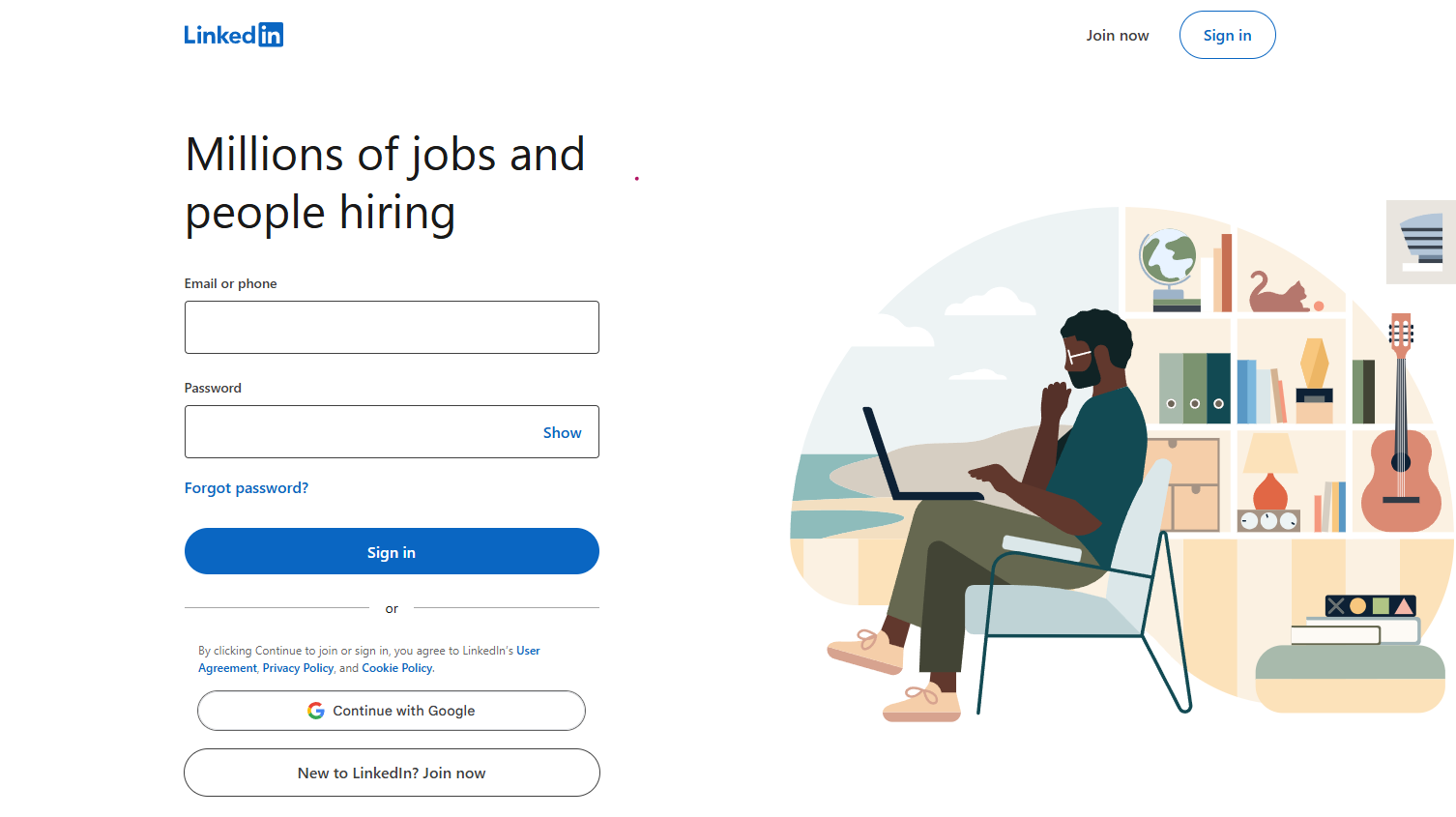
LinkedIn sits at the intersection of professional networking and job search in a way no other platform can replicate. The key differentiator: warm connections. When you find a role at a target company and see that your college roommate’s former colleague works there, a well-timed message transforms a cold application into a referred one — and referred candidates are 5x more likely to get interviews.
Easy Apply reduces friction for straightforward applications. AI-powered job matching improves with every profile update and interaction. Skills Assessments let you verify competencies and display badges that genuinely influence recruiter perception. For mid-to-senior level roles and knowledge workers, LinkedIn is not just a job board — it’s the entire professional ecosystem within which job searching happens most effectively.
Positive
- ✅ Professional network gives warm-connection advantage
- ✅ AI matching improves as your profile grows
- ✅ Easy Apply streamlines applications significantly
- ✅ Skills Assessments add verified credibility
- ✅ Real-time recruiter messaging and InMail
- ✅ Best for senior, knowledge-worker, and tech roles
Negatives
- ✗ Premium features (InMail credits, full profile views) require paid subscription
- ✗ InMail outreach can feel spammy and intrusive
- ✗ Entry-level and trade jobs are underrepresented
Glassdoor
#3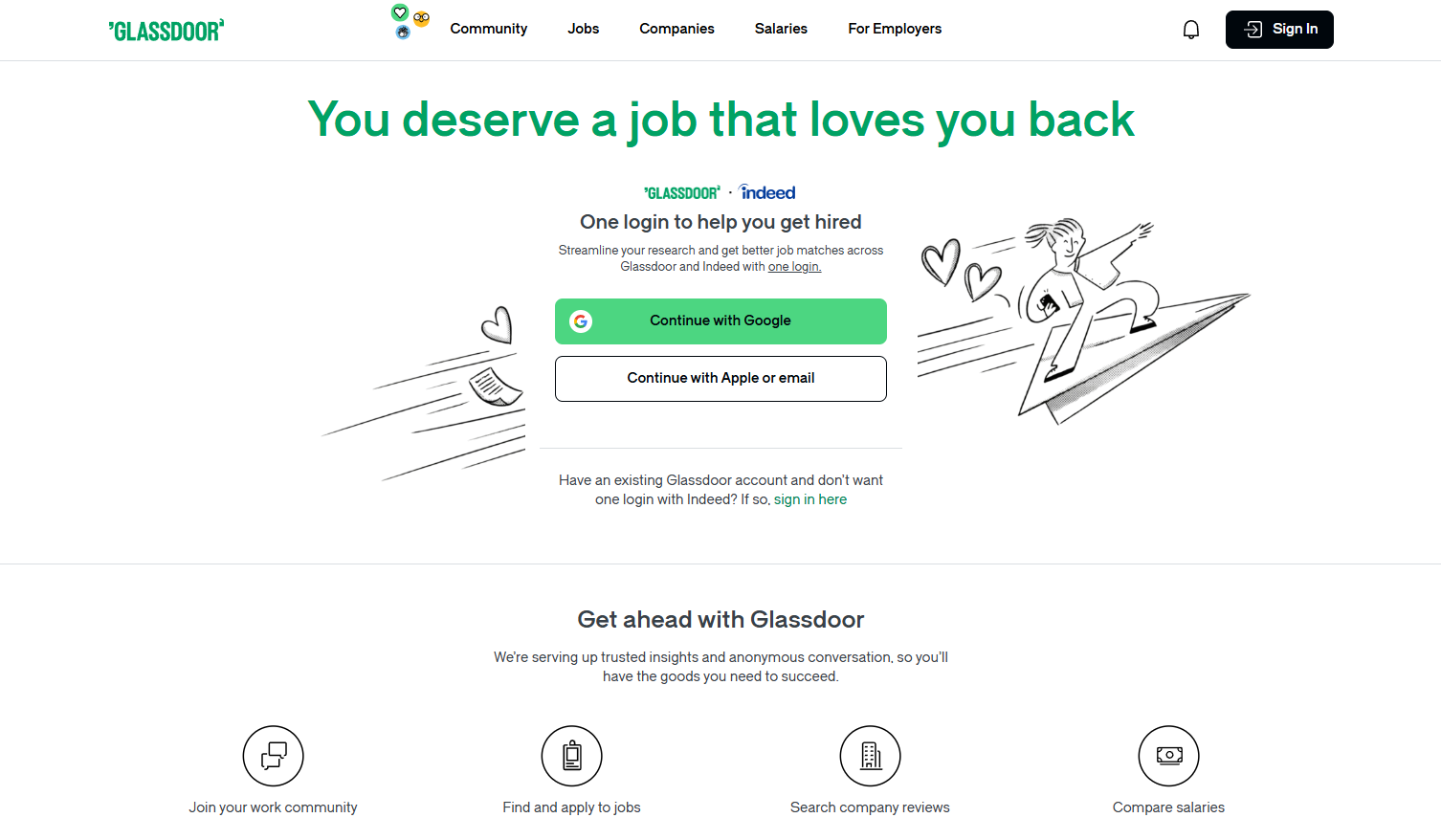
Glassdoor doesn’t just help you find a job — it helps you decide if you actually want it. Built on millions of anonymous employee reviews, Glassdoor surfaces CEO approval ratings, culture scores, work-life balance ratings, and department-level salary breakdowns that turn job searching from guessing into decision-making with real data.
The interview section is uniquely valuable: past applicants share the actual questions they were asked, the process timeline, and whether they felt it was fair. For candidates preparing for interviews at specific companies, this intelligence is genuinely hard to find elsewhere. Job listings are solid but fewer than Indeed — Glassdoor’s real value is layering insider intelligence on top of the job search, not replacing it.
Positive
- ✅ Verified employee reviews give authentic company culture insight
- ✅ Salary data broken down by department and experience level
- ✅ Interview questions shared by real past applicants
- ✅ CEO approval ratings and management culture scores
- ✅ Benefits breakdown including PTO, healthcare, equity
- ✅ Job listings combined with insider company intelligence
Negatives
- ✗ Fewer total listings than Indeed or LinkedIn
- ✗ Some reviews may be gamed by companies
- ✗ Full access increasingly requires account creation
ZipRecruiter
#4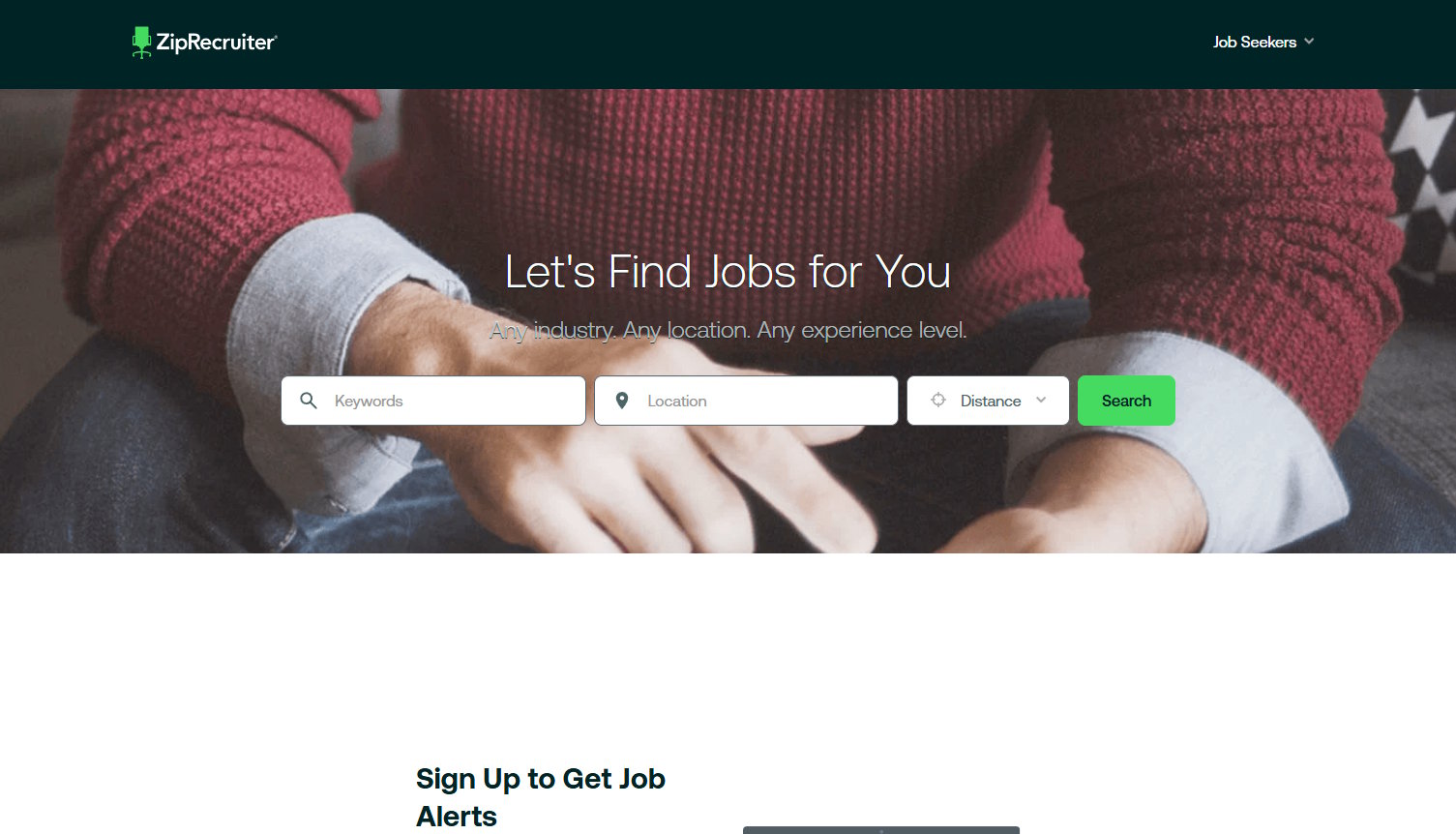
ZipRecruiter flips the traditional job search model: instead of you browsing thousands of listings, you upload your resume and employers reach out to you. Its AI matching technology analyzes your profile and actively surfaces it to companies hiring for matching roles. For passive job seekers — those who are open to moving but not actively hunting — this reversal of the search dynamic is genuinely time-saving.
With 12 million+ active listings and partnerships with 2.8 million businesses, the platform has scale. SmartSalary provides real-time salary benchmarking. The mobile app’s fingerprint one-touch apply is the fastest application experience we tested. The weakness is relevance precision — the AI matching can surface roles that are adjacent but not quite right, requiring more filtering than ideal.
Positive
- ✅ AI sends your profile to employers — reverses the job search
- ✅ 12M+ active listings from 2.8M+ businesses
- ✅ Mobile one-touch apply is the fastest application flow tested
- ✅ SmartSalary for real-time compensation benchmarking
- ✅ Great for passive job seekers open to being discovered
- ✅ Free to use for job seekers
Negatives
- ✗ AI matching can surface irrelevant roles
- ✗ Employer-pays model means high-volume recruiter messaging
- ✗ Less useful for niche or senior roles
SimplyHired
#5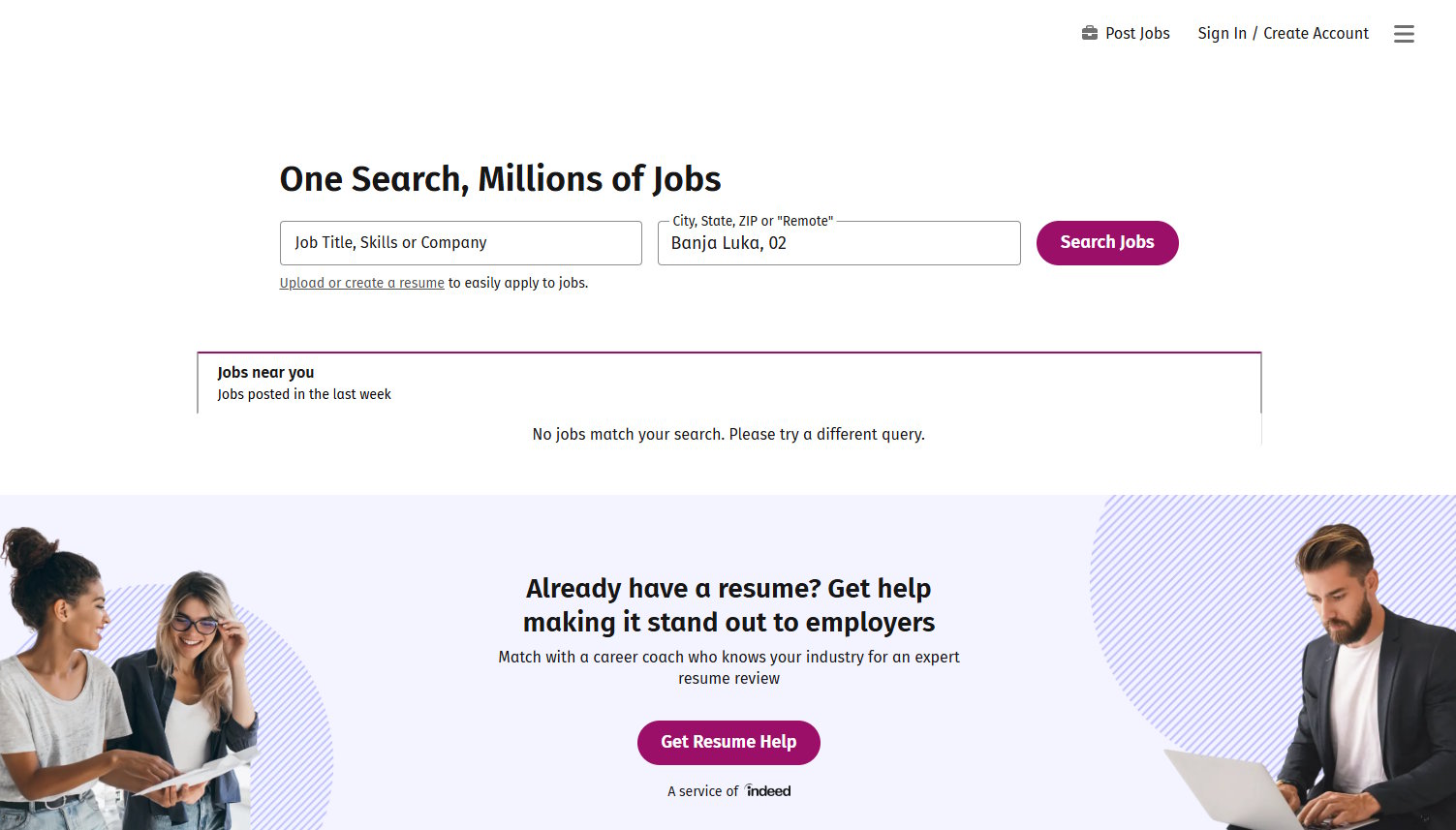
SimplyHired rounds out our top 5 with solid basic functionality.
Positive
- ✅ Aggregates listings from 100+ job boards
- ✅ Clean, no-frills search interface
- ✅ Side-by-side salary comparisons
Negatives
- ✗ Limited advanced features
Our Testing Methodology
We tested each platform with 50 searches across 5 job categories: tech, marketing, healthcare, finance, and trades. Scored on listing volume and freshness (25%), match relevance (30%), salary data quality (20%), UX and apply flow (15%), and additional features like reviews and alerts (10%). Tested from both job seeker and employer perspectives.