Upfluence leads our ranking with a score of 9/10.

- ✓ AI influencer matching by brand values and audience
- ✓ 250M+ creator database across all platforms
- ✓ Audience authenticity and fraud detection
- ✓ Campaign management and tracking integrated
- ✓ E-commerce integration for product seeding
- ✓ CRM and email outreach built in

- ✓ Audience quality score — detects fake followers
- ✓ 137M+ creator profiles audited
- ✓ Demographic breakdown of actual audience
- ✓ Brand safety scoring per creator
- ✓ Historical sponsorship and brand deal tracking
- ✓ Audience overlap analysis

- ✓ 250M+ creator profiles across TikTok, Instagram, YouTube
- ✓ Demographic and psychographic audience data
- ✓ Creator lookalike search
- ✓ Estimated earnings per post
- ✓ Campaign brief and creator communication tools
- ✓ Content performance analytics

- ✓ Micro-influencer specialist (1K–100K followers)
- ✓ Engagement rate focus over follower count
- ✓ Location and language filtering
- ✓ Audience interest and demographic data
- ✓ Email discovery for creator outreach
- ✓ API for database integration
- ✓ Outreach + CRM + campaign tracking in one
- ✓ Gmail and Outlook integration for outreach
- ✓ Blogger and influencer database
- ✓ Link prospecting and link building tools
- ✓ Automated follow-up sequences
- ✓ Lead management for influencer pipeline
In-Depth Reviews
Upfluence
#1 Pick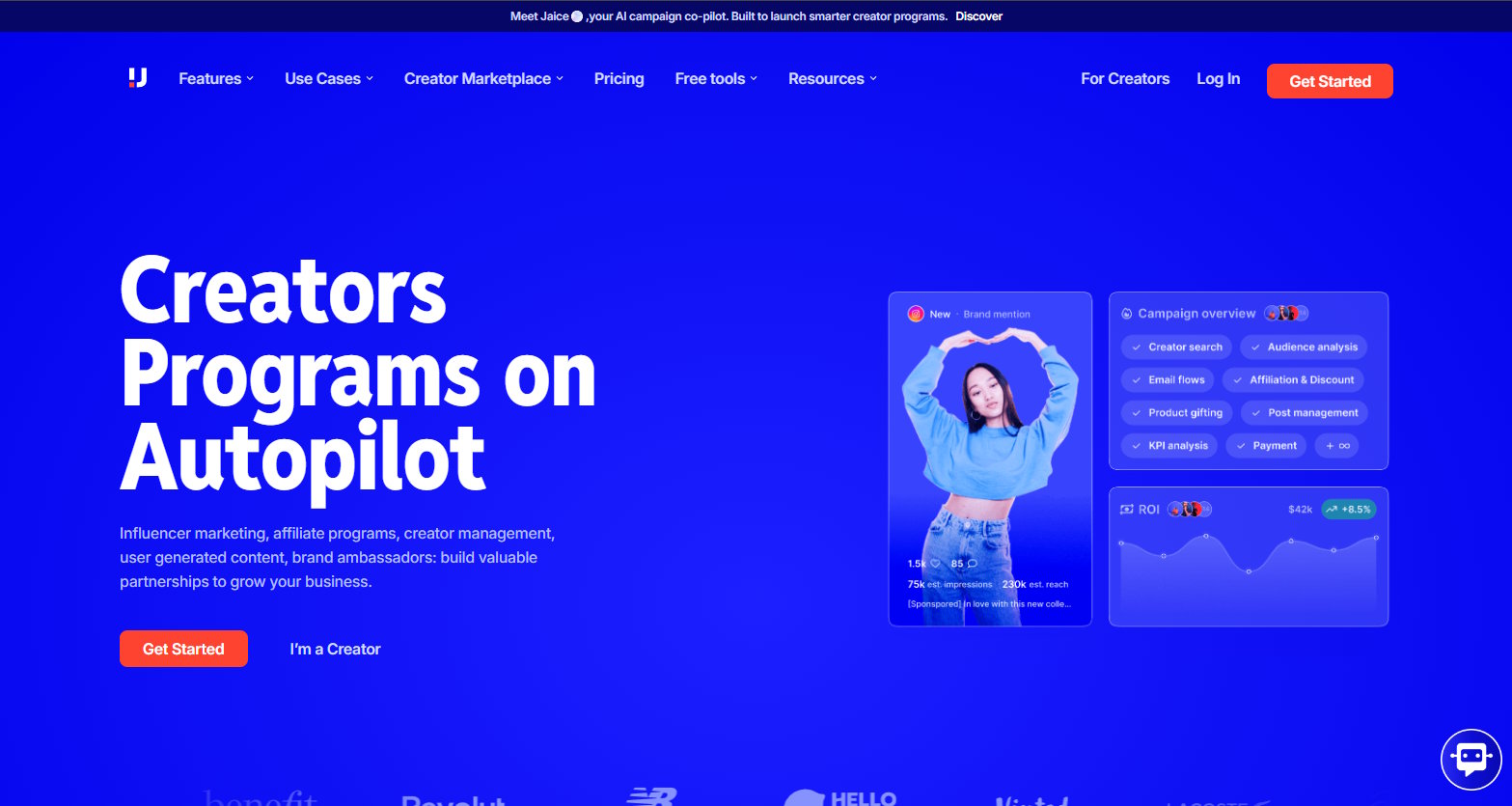
Upfluence is the most complete influencer marketing platform, combining creator discovery, campaign management, and performance tracking in a single system. The AI influencer matching goes beyond follower counts — it evaluates brand value alignment, past content themes, audience demographics, and engagement authenticity to surface creators who genuinely fit a brand. With 250M+ profiles indexed across every major platform, the database breadth enables discovery at any tier or niche.
E-commerce integration with Shopify and WooCommerce enables product seeding campaigns where selected creators automatically receive physical products for review. The CRM and outreach tools manage the full influencer relationship from first contact through campaign completion and payment. For brands running ongoing influencer programs rather than one-off campaigns, Upfluence’s end-to-end workflow management is the key differentiator.
Positive
- ✅ AI brand-values matching goes beyond follower metrics
- ✅ 250M+ creator database across all major platforms
- ✅ E-commerce integration for product seeding campaigns
- ✅ Full CRM and campaign management built in
- ✅ Audience authenticity scoring
- ✅ End-to-end workflow from discovery to payment
Negatives
- ✗ Enterprise pricing — not accessible for small brands
- ✗ Learning curve for full platform utilization
- ✗ Best features require annual contract
HypeAuditor
#2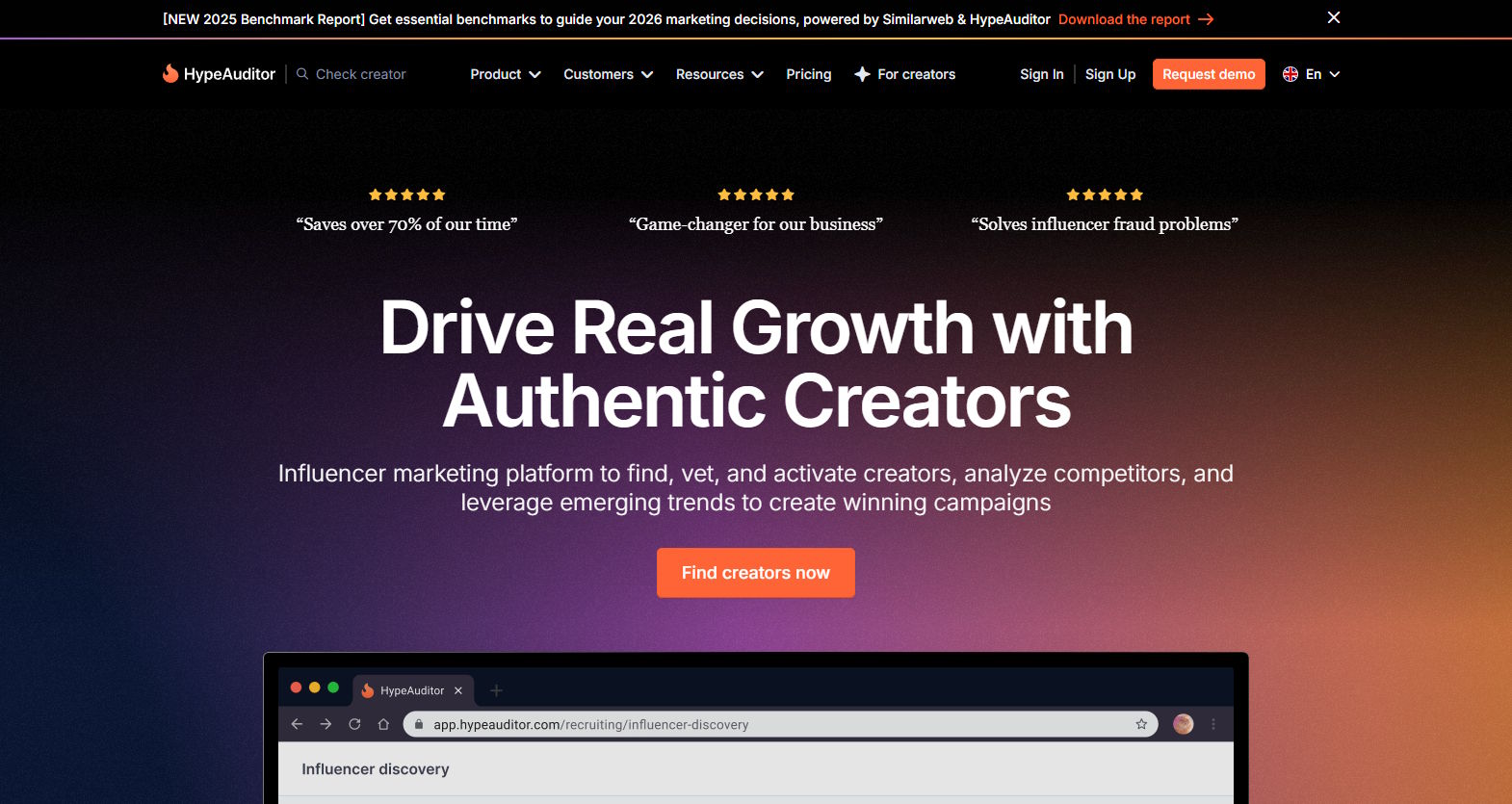
HypeAuditor’s core differentiation is audience quality analysis — the most sophisticated fake follower and engagement fraud detection in the influencer marketing industry. Every creator profile includes an audience quality score, demographic breakdown, and analysis of whether followers are real, mass-follower accounts, or bots. In an industry plagued by follower purchasing, this quality analysis is the most important due diligence step before signing any creator contract.
Historical brand deal tracking shows which companies a creator has worked with previously — essential for brand exclusivity research and understanding a creator’s content style in sponsored contexts. Audience overlap analysis helps avoid paying multiple creators who reach the same people. For brands who have been burned by fake-follower fraud or want to prevent it, HypeAuditor’s auditing capabilities are the single most valuable tool in the category.
Positive
- ✅ Most sophisticated fake follower detection in the industry
- ✅ Audience quality score with fraud breakdown
- ✅ 137M+ audited creator profiles
- ✅ Brand safety scoring per creator
- ✅ Historical brand deal tracking for exclusivity research
- ✅ Audience overlap analysis prevents duplicate reach
Negatives
- ✗ Paid platform — free audit is limited
- ✗ Less comprehensive campaign management than Upfluence
- ✗ Creator outreach tools are basic
Modash
#3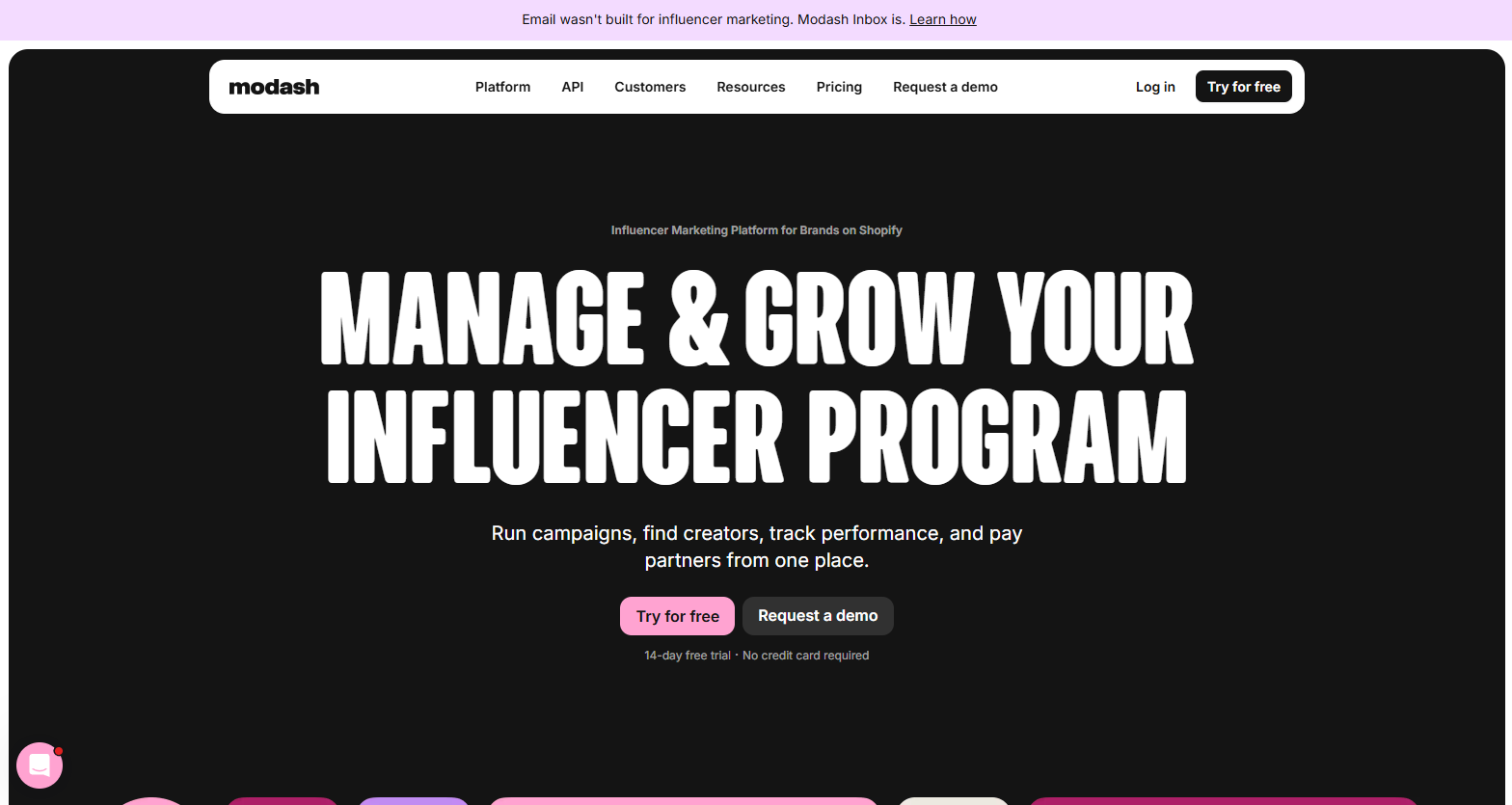
Modash’s standout feature is scale: 250M+ creator profiles across TikTok, Instagram, and YouTube, with demographic and psychographic audience data that goes beyond age and gender to interests, purchase behaviors, and lifestyle attributes. The creator lookalike search lets you input a top-performing creator and find dozens of similar creators at different follower tiers — invaluable for building a diversified creator portfolio.
Estimated earnings per post help set realistic budget expectations before outreach. Campaign brief and creator communication tools are integrated. Content performance analytics provide post-campaign measurement. For brands scaling influencer programs to high volume across multiple tiers and platforms simultaneously, Modash’s database breadth and lookalike discovery make creator sourcing dramatically more efficient.
Positive
- ✅ 250M+ creator profiles — one of the largest databases
- ✅ Creator lookalike search for scaling creator portfolios
- ✅ Psychographic audience data (interests, behaviors)
- ✅ Estimated earnings per post for budget planning
- ✅ Multi-platform: TikTok, Instagram, YouTube
- ✅ Content performance analytics post-campaign
Negatives
- ✗ Enterprise pricing
- ✗ Fraud detection less sophisticated than HypeAuditor
- ✗ Outreach tools require separate email platform
Heepsy
#4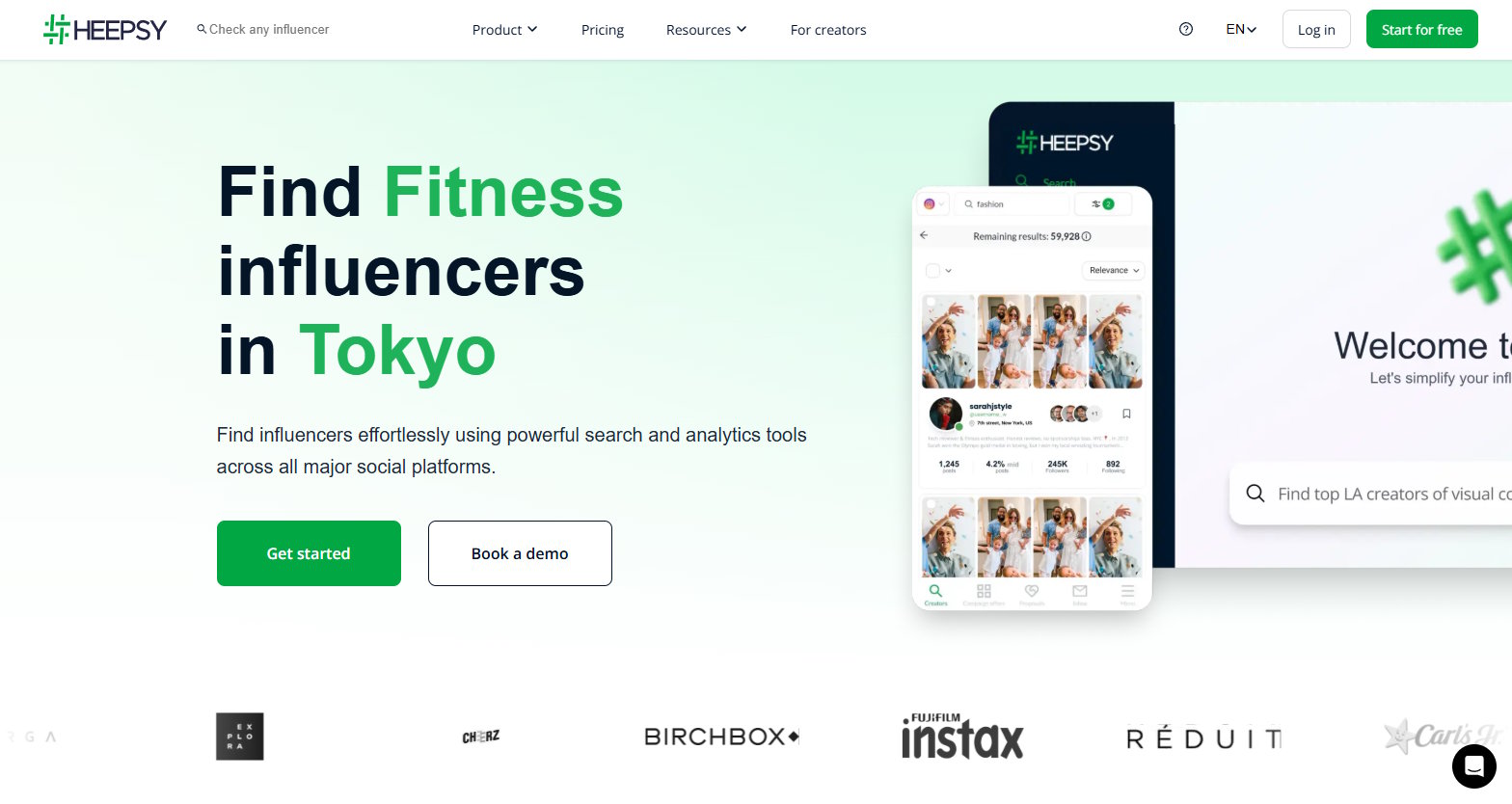
Heepsy specializes in micro-influencer discovery — the segment of creators with 1,000–100,000 followers where engagement rates are highest and CPM is lowest. The engagement rate focus over follower count surfaces creators whose audiences are genuinely active rather than passively accumulated. Location and language filtering is granular, enabling hyper-local campaigns down to city level.
Email discovery automates the first step of creator outreach. Audience interest and demographic data verifies niche alignment before contact. The API enables database integration for brands building proprietary creator CRMs. For DTC brands and local businesses whose ideal customer isn’t served by mega-influencers, Heepsy’s micro-influencer specialization finds the right-sized creators that general platforms bury under celebrity noise.
Positive
- ✅ Specialist in micro-influencers (1K–100K) — highest engagement
- ✅ Engagement rate priority over follower count
- ✅ Granular location and language filtering
- ✅ Email discovery for creator outreach
- ✅ API for building proprietary creator databases
- ✅ Most cost-effective for small brand budgets
Negatives
- ✗ Smaller creator database than Modash or Upfluence
- ✗ Less useful for macro-influencer and celebrity search
- ✗ Campaign management features limited
NinjaOutreach
#5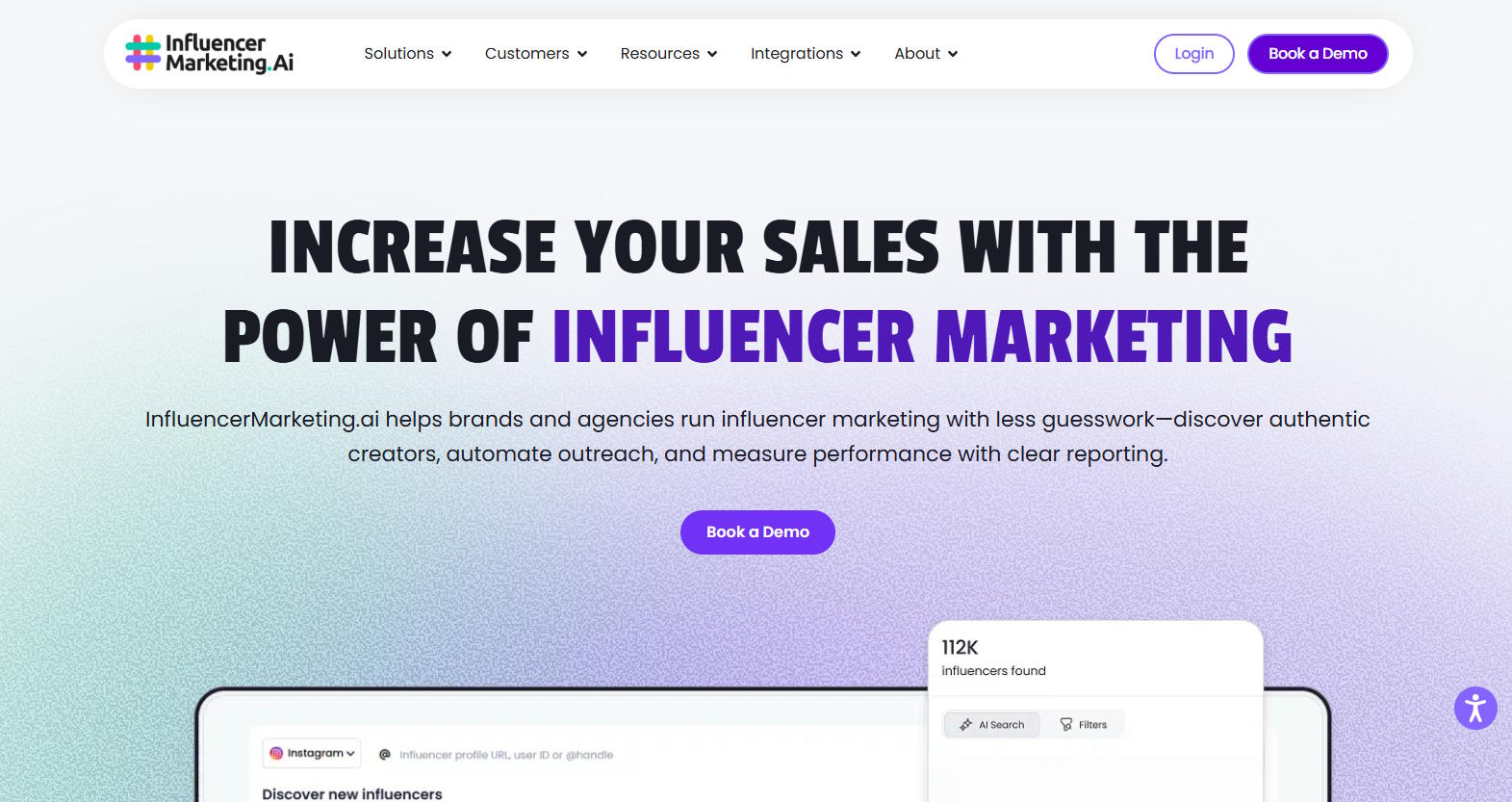
NinjaOutreach rounds out our top 5.
Positive
- ✅ Outreach + CRM + campaign tracking in one
- ✅ Gmail and Outlook integration for outreach
- ✅ Blogger and influencer database
Negatives
- ✗ Limited advanced features
Our Testing Methodology
We tested each platform with 20 influencer discovery tasks: finding creators in specific niches, auditing fake follower rates, identifying micro-influencers in target locations, discovering creator lookalikes, and measuring campaign ROI. Scored on database size (25%), fraud detection (25%), campaign tools (20%), audience data quality (20%), and pricing value (10%).